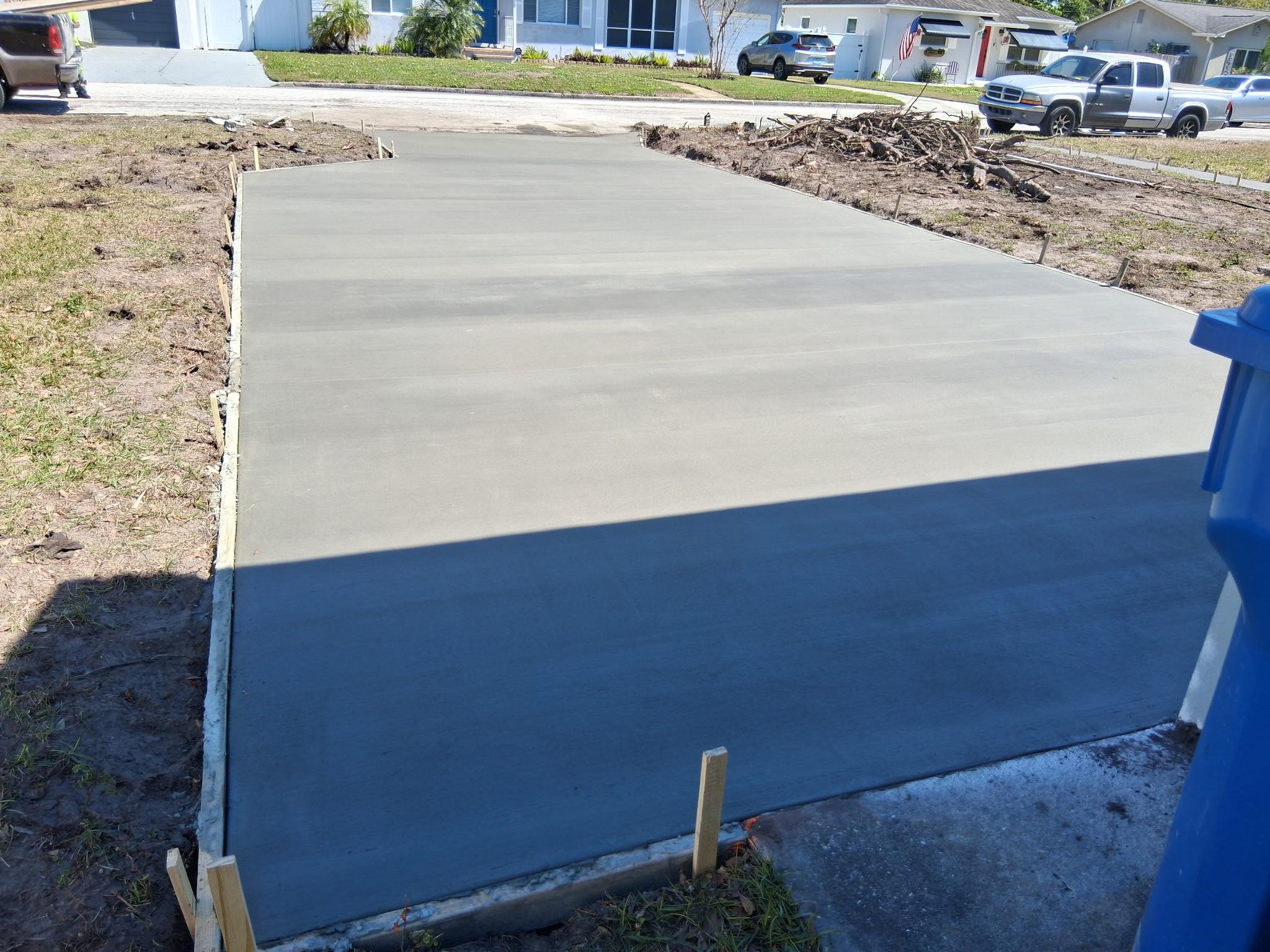
The Environmental Benefits of Using Sustainable Concrete Feb 15, 2026
Sustainable concrete, also known as green concrete, is designed to minimize the environmental impact of concrete production and use. One of the primary environmental benefits of sustainable concrete is the reduction in carbon dioxide emissions. Traditional concrete production is known for being energy-intensive and for contributing significantly to global CO2 emissions. By using alternative materials like fly ash, slag, or silica fume, which are industrial by-products, sustainable concrete can reduce the reliance on cement, the most carbon-intensive component. This shift not only helps lower emissions but also provides a productive use for industrial waste, diverting it from landfills.
Water conservation is another key advantage of sustainable concrete. Concrete manufacturing requires a considerable amount of water, and in many regions, water scarcity is a pressing concern. Sustainable concrete practices often incorporate water recycling systems and reduce water usage by using admixtures that enhance concrete performance without the need for excess water. By choosing sustainable concrete, firms reduce the burden on local water resources, ensuring a more responsible construction process.
Furthermore, sustainable concrete plays a crucial role in enhancing urban environments through improved eco-architectural practices. Innovations like pervious concrete allow water to pass through the concrete surface, reducing runoff and facilitating natural ground absorption. This feature is particularly beneficial in urban areas, where stormwater management is a significant issue. By allowing rainwater to filter through and replenish groundwater supplies, pervious concrete helps mitigate flooding and water pollution, supporting healthier urban ecosystems.
The long-term durability and longevity of sustainable concrete also contribute to its eco-friendly credentials. Traditional structures often require frequent repairs and maintenance, which can involve significant resources and energy. Sustainable concrete offers enhanced strength and resistance to weathering, reducing the need for frequent replacements and repairs. This longevity not only results in lower material consumption over time but also minimizes the ecological footprint associated with construction activities.
Additionally, sustainable concrete supports healthier indoor environments. Many sustainable concrete options use low-VOC (Volatile Organic Compounds) materials, reducing the emission of harmful pollutants indoors and improving air quality. Buildings made with sustainable concrete provide a safer, healthier space for their occupants, adding an extra layer of value beyond their structural integrity.
In conclusion, the use of sustainable concrete is an innovative step towards more environmentally responsible construction. By reducing carbon emissions, conserving water, aiding in urban water management, and supporting longer-lasting structures, sustainable concrete demonstrates that eco-friendly practices can align with high-quality construction. As a customer of Combat Concrete LLC, choosing sustainable concrete for your projects not only benefits the environment but also contributes to a more sustainable future. Consider the environmental impact of your next build and explore the options available with Combat Concrete LLC, where sustainability meets strength.
/filters:no_upscale()/filters:format(webp)/media/b6e75b7c-87f3-4717-9390-2bb19f2dd1c4.jpeg)